Cart
0
You may also like
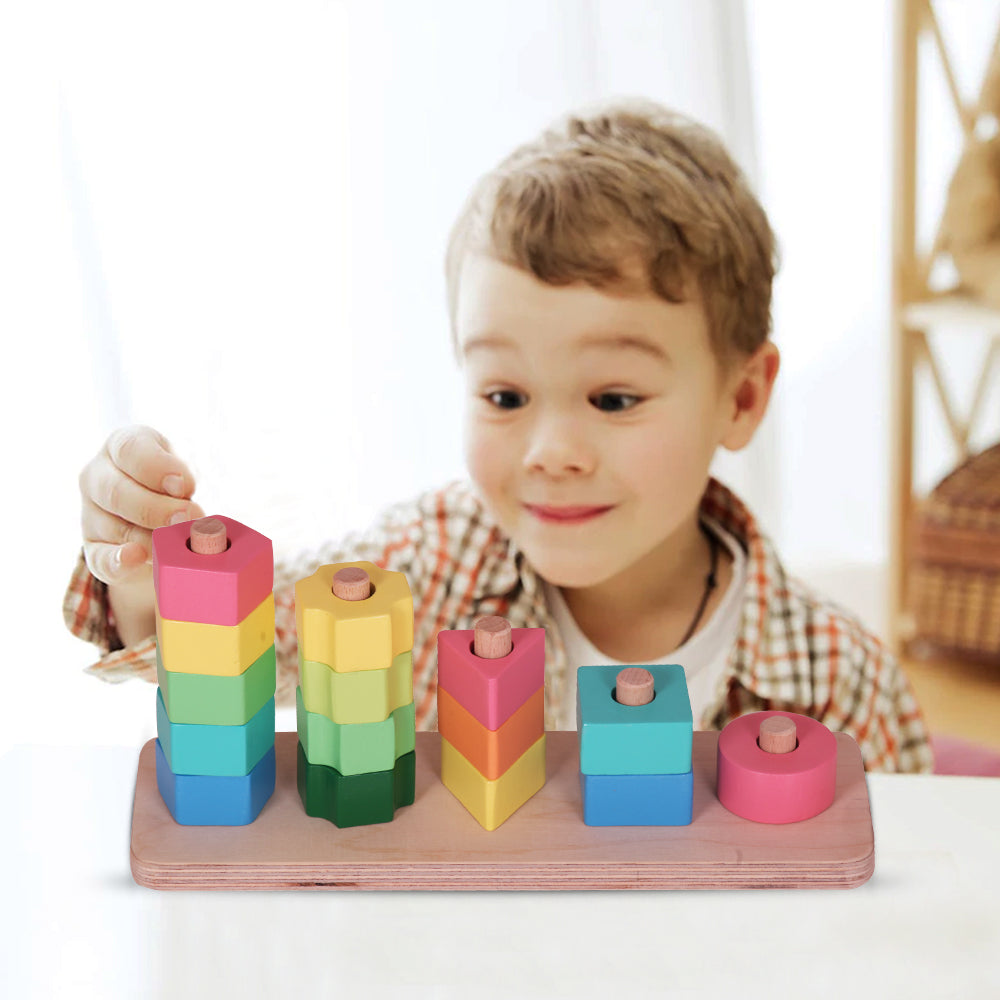
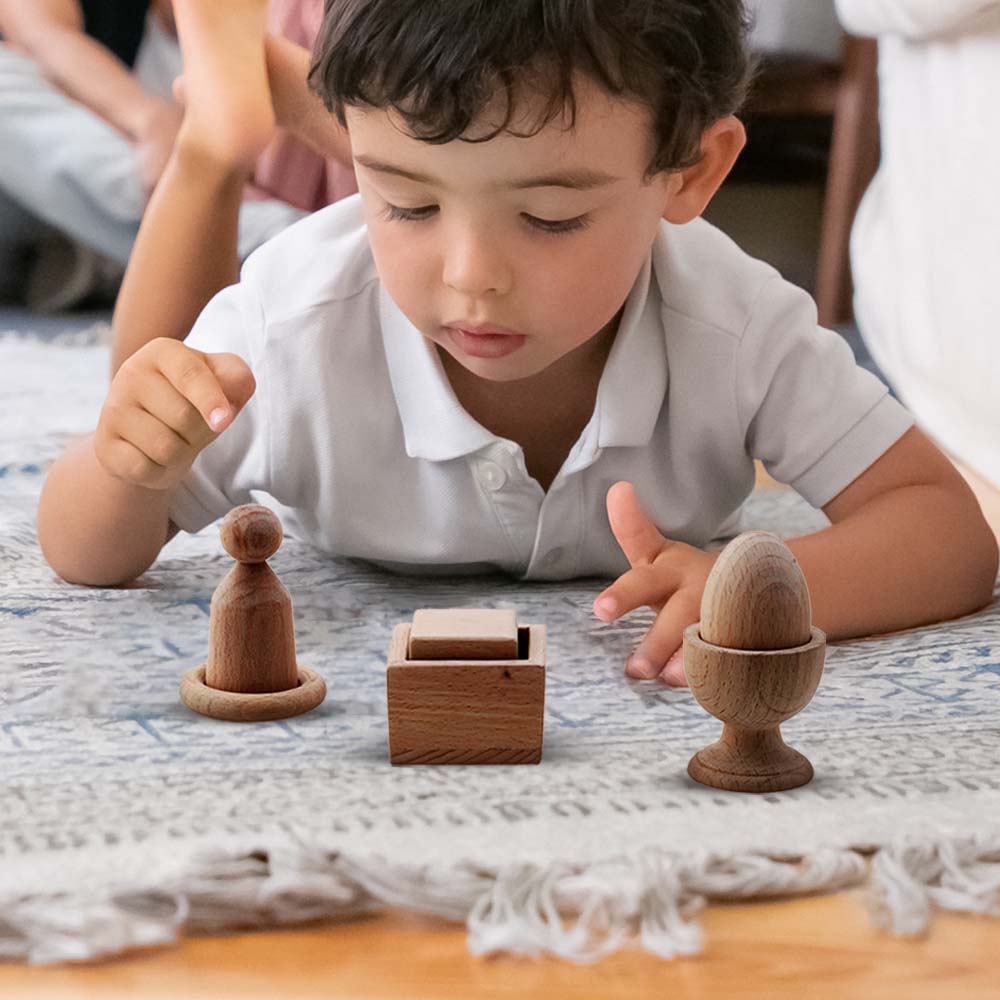
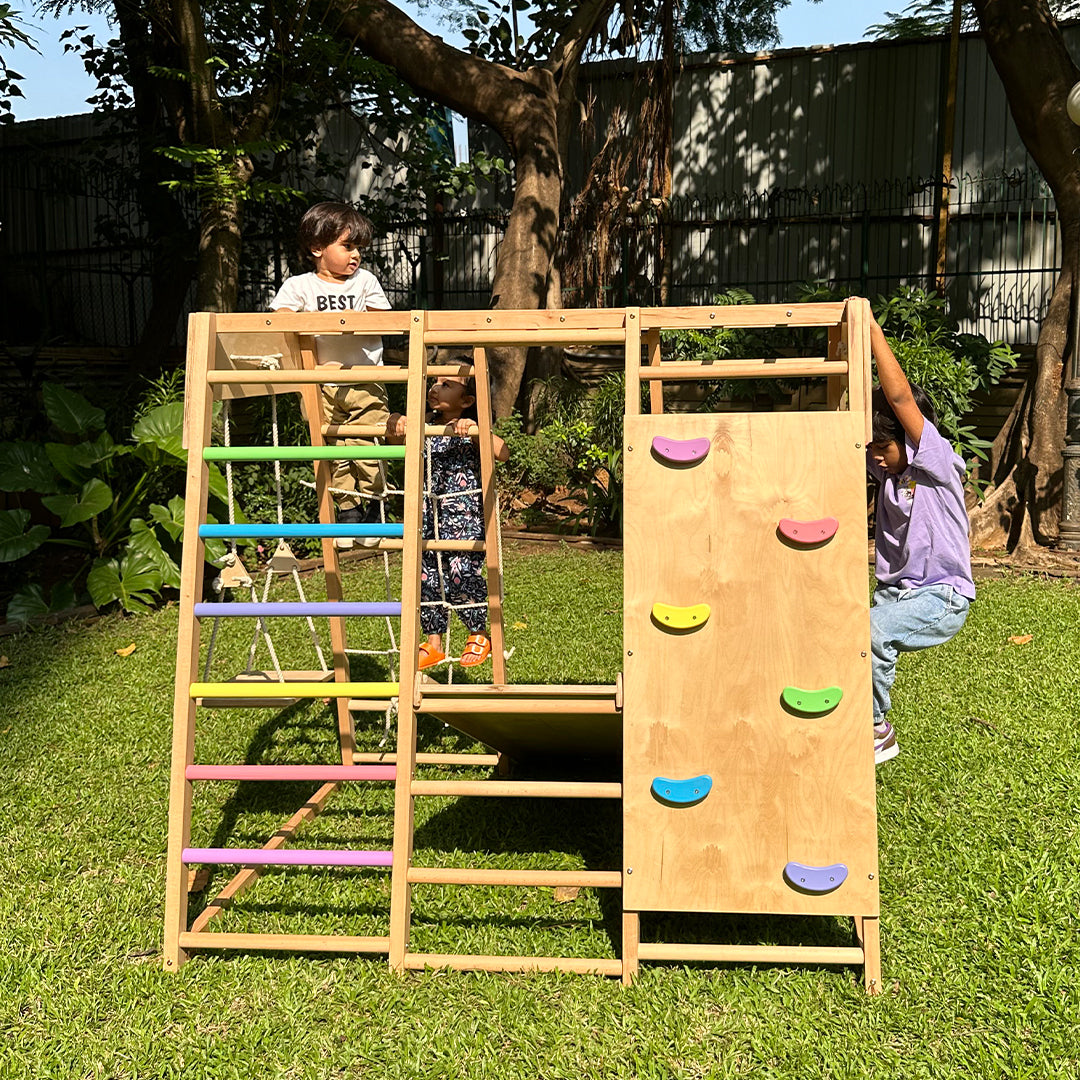
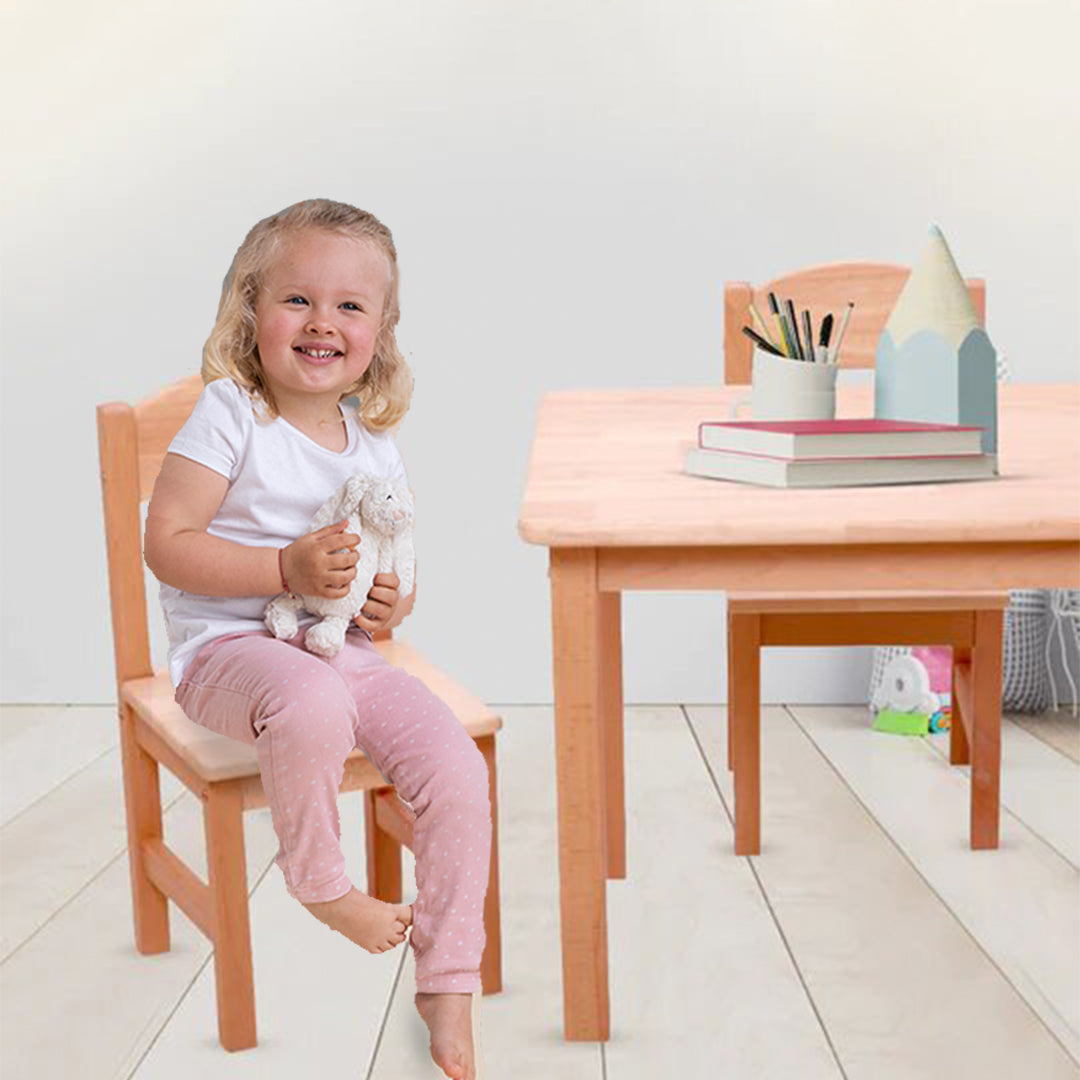


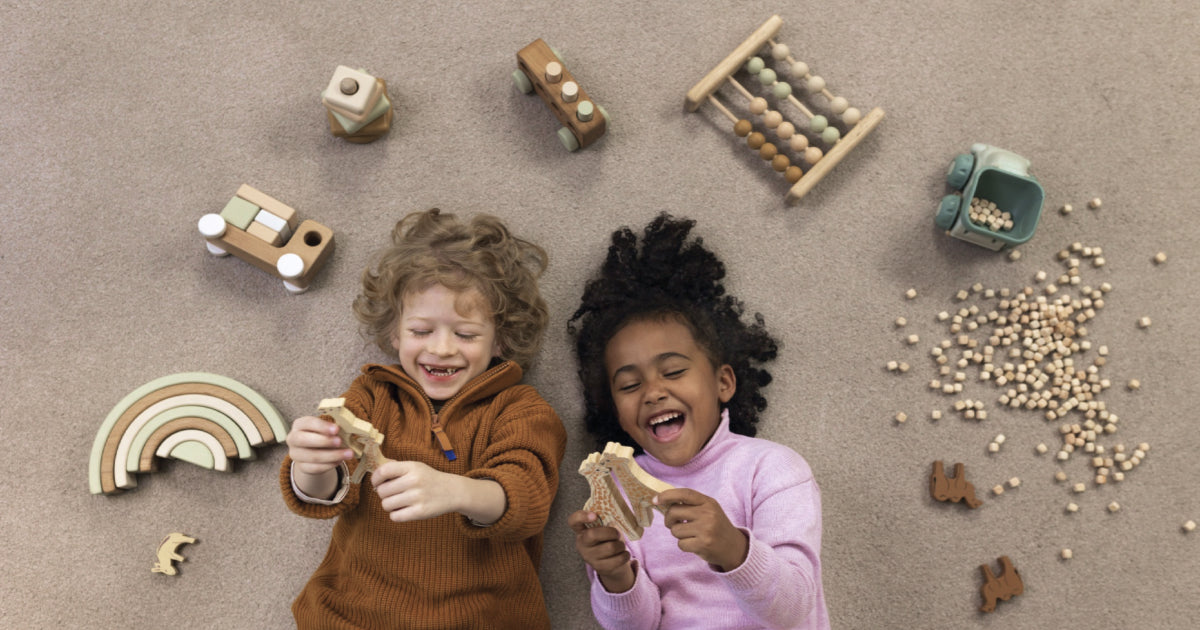
All parents hope for the best for their kids, not just in school or milestones but also about the way they see the world. We hope that they will dream big, think independently, and grow up as self-assured little individuals. Between 3 and 6 years old, the aspiration deepens. wThis is the age when their personality starts to shape. It's when they question "why" a hundred times a day, turn spoons into rockets, and find magic where others see ordinary.
During this stage, the toys we provide for them are more important than we realize. One type of toy that is notable quietly but powerfully is the Montessori toy.
Let's look at why these basic, frequently wooden toys are not only beneficial for your child but also ideal for building creativity during this early years phase.
Montessori toys are based on the theories of Dr. Maria Montessori, an Italian educationalist who held the view that children acquire knowledge best when they learn at their own convenience and pace through direct play experiences. Montessori toys are generally
Most toys these days come with instructions: press this, and the light is on. Turn that, and the music is on. Okay, they are fun for a couple of minutes, but there isn't much room for imagination.
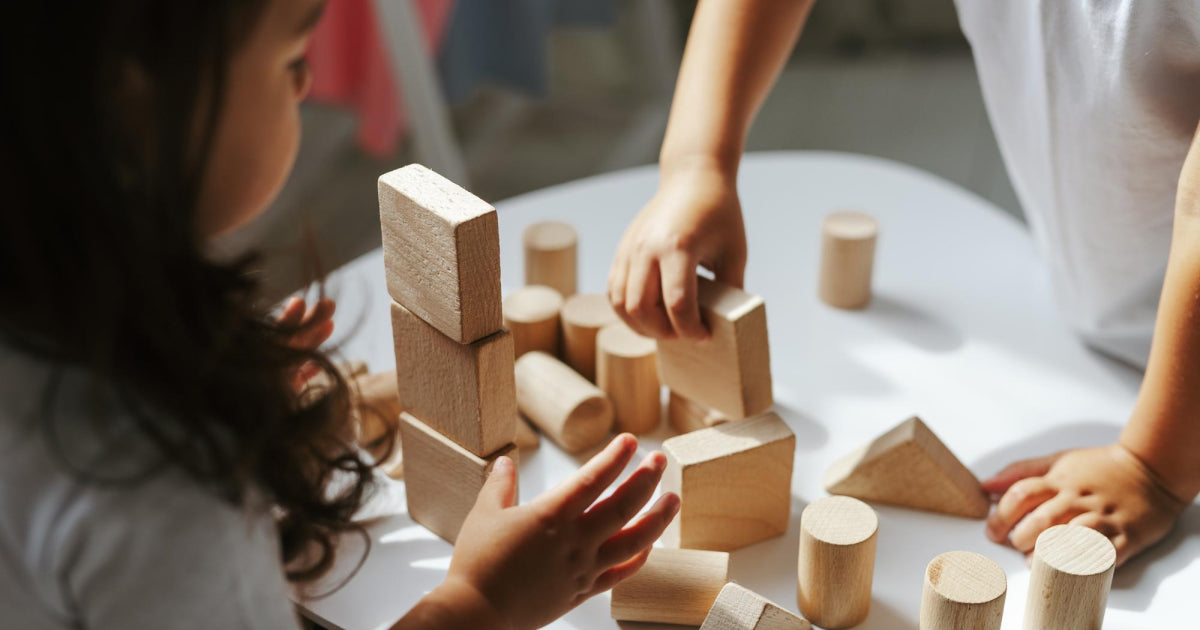
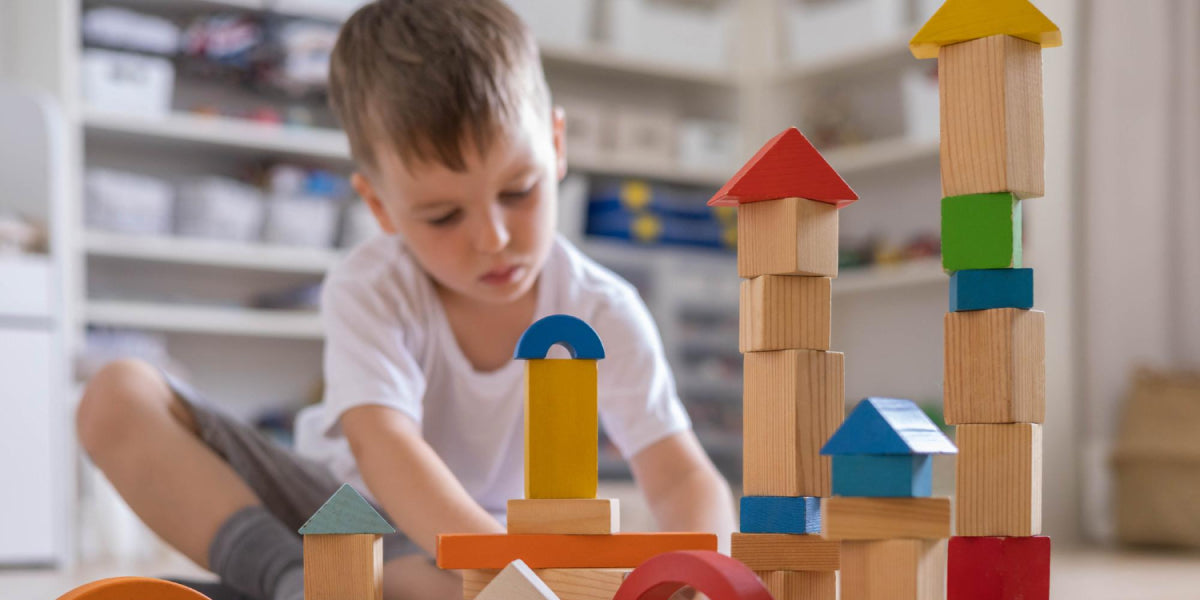
A Montessori toy, by comparison, might be a stack of wooden blocks. No sound, no illumination. But present it to a 4-year-old, and suddenly, it's a castle. Or a zoo. Or a birthday cake. The toy is not giving the answers. Your child is.
Montessori toys usually take their cue from everyday life: a wooden fruit arrangement, a toy brush, or a simple animal peg puzzle. Toys like these relate play to the world your child experiences on a daily basis.
So when your kid is pretending to "cut" wooden carrots or sort shapes into a tray, they are not merely playing, they are interpreting the world around them. And chances are, they will begin adding their own twist. Perhaps that orange slice becomes the sun. Perhaps that wooden spoon becomes a magic wand.
Let's be real, the world today is a busy one. There's background chatter, screens flickering, and toys that call out to us. It's stressful for adults, much less children.
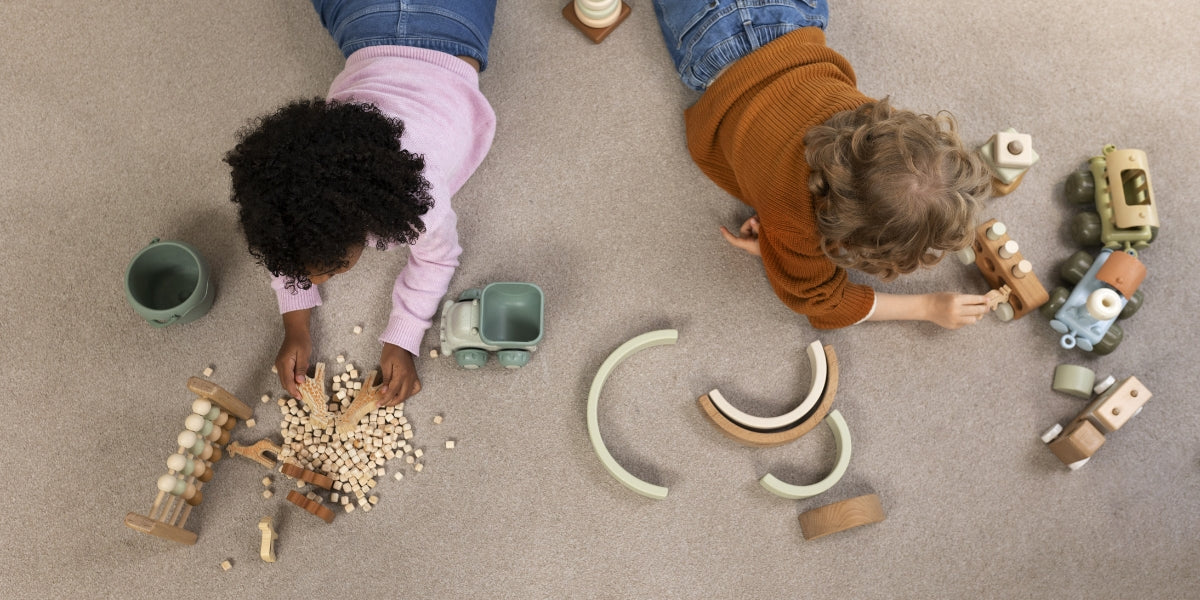
Montessori toys are deliberately quiet. They don't buzz or beep. They encourage your child to move slowly. And when your child is concentrating, they delve deeper into play. They don't stack a few blocks, they construct a whole narrative around it.
This deep, unbroken concentration is where true creative development occurs.
Certain toys in the Montessori system, such as knobbed cylinders or sorting puzzles, are made so that children can tell whether something doesn't fit. Nobody has to tell them. They sort it out for themselves.
That sort of experimentation is what builds problem-solving ability and allows children to experiment with new solutions without fear. Creativity isn't about doing it perfectly every time. It's about trying, failing, and trying once more.
Between 3 and 6, children start to transition from imitation of what is seen to producing something uniquely their own. This is where their imagination takes flight, they begin to make up stories, make up rules when playing, and tackle problems in new ways. It's a critical window when their creative thinking begins to take on form, developing habits and attitudes that they will be taking with them into their future.
Freedom to play without having to be told exactly what to do is very important at this age. Which is why the toys they play with are not merely toys, they are critical instruments. Montessori toys serve this development very well. They provide just enough structure to allow a child to concentrate while still allowing for free play. Without flashers or pre-programmed results, these toys quietly encourage children to think, dream, and direct their own play, fostering a feeling of confidence, curiosity, and creativity from the inside out.
Seeking out toys that truly are worth it in everyday parenting life? Here are some tried-and-true old favorites:
Your child is not going to learn how to be creative in school. They'll figure it out when they're just sitting quietly in the corner making something from nothing. It's something that grows when we take a step back and allow them to work things out.
Montessori toys aren't trendy, they're a quiet, considerate way of cultivating your child's mind during this most lovely phase of life.
At Casa Bambini, every toy is crafted not only for play but also for function, with your child's growth in focus and their imagination as a priority.